
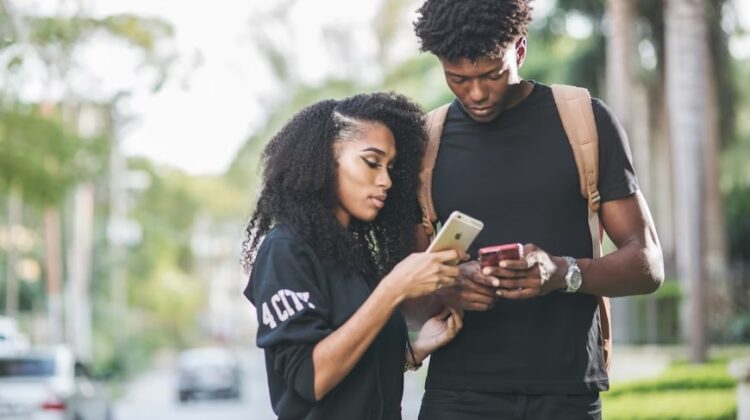
How Social Media Is Reshaping Relationships — For Better and For Worse
Introduction
Think about the last meaningful conversation you had with someone you care about. Was it face to face over coffee, or was it a string of messages exchanged between other tasks? Did you find out about a friend’s big life news in person, or through a post you scrolled past on your feed?

For most people today, the honest answer involves a screen.
Social media has fundamentally changed how human relationships begin, grow, and sometimes unravel. Platforms like Facebook, Instagram, WhatsApp, Snapchat, and TikTok have made it possible to maintain connections across continents, rediscover people from our past, and build communities around shared interests that transcend geography.
But the same tools that bring people closer together can quietly introduce comparison, jealousy, miscommunication, and unrealistic expectations into the relationships we value most.
This article takes an honest, balanced look at how social media is influencing modern relationships — the genuine benefits, the real risks, and the practical strategies that can help you use it in a way that strengthens your connections rather than undermining them.
How Social Media Has Changed the Way We Connect
To understand social media’s impact on relationships, it helps to first appreciate just how dramatically it has changed the landscape of human connection in a relatively short period of time.
A generation ago, maintaining a friendship across distance required deliberate effort — letters, scheduled phone calls, or expensive long-distance rates. Losing touch with someone was easy and common. Meeting people with niche shared interests often depended entirely on geography.
Today, all of that has changed. Distance is no longer the barrier it once was. Shared interests connect strangers across the world. Life updates are broadcast instantly. And the cumulative effect is a social world that is simultaneously more expansive and more complicated than anything previous generations navigated.
Social media has not just changed how often we communicate — it has changed what communication means, what we expect from relationships, and how we measure them.
The Genuine Benefits of Social Media for Relationships
It is easy — and fashionable — to be cynical about social media’s role in our social lives. But dismissing the real benefits it offers would be equally inaccurate. Used thoughtfully, social media can be a genuinely powerful tool for building and sustaining meaningful relationships.
Keeping Long-Distance Relationships Alive
For couples, families, and friends separated by geography, social media and the communication tools built around it have been transformative. Video calls allow grandparents to watch grandchildren grow up in real time from thousands of miles away. Couples in long-distance relationships can share daily moments through photos, voice messages, and video chats that create genuine feelings of closeness and presence.
What once required significant effort and expense — staying meaningfully connected across distance — is now accessible, immediate, and free. For many relationships, this has made all the difference.
Reconnecting With People From Your Past
Social media makes it possible to reconnect with childhood friends, former colleagues, and distant family members who might otherwise have faded entirely from your life. These rekindled connections can be genuinely enriching, offering a sense of continuity and shared history that is difficult to replicate in other ways.
Building Communities Around Shared Experience
Some of the most meaningful support people receive comes from others who truly understand what they are going through — people facing the same health challenges, raising children in similar circumstances, or navigating the same professional world. Social media makes it possible to find and connect with those people regardless of where they live, creating support networks that can be genuinely life-sustaining for those who need them most.
Staying Present in Each Other’s Daily Lives
For close friends and family members who do not see each other every day, social media provides a low-friction way to stay loosely connected — sharing small moments, reacting to each other’s updates, and maintaining a sense of shared experience even when lives are busy and schedules do not align. This ambient awareness of each other’s lives can maintain a foundation of closeness that makes in-person time feel more natural and connected when it does happen.
The Real Risks Social Media Poses to Relationships
For all its benefits, social media introduces a set of pressures and dynamics that can quietly erode the health of relationships when left unexamined. Understanding these risks honestly is the first step to managing them.
The Comparison Trap
Social media feeds are not reality — they are curated highlights. People post celebrations, milestones, vacations, and carefully composed snapshots of happiness. They rarely post the arguments, the difficult seasons, the mundane Tuesday evenings, or the quiet struggles that make up the majority of real relationship life.
The problem is that our brains do not always process this distinction automatically. Constant exposure to other people’s relationship highlights can generate a creeping sense that your own relationship is somehow lacking — even when, objectively, it is perfectly healthy and loving. Over time this comparison dynamic can breed dissatisfaction, resentment, and unrealistic expectations that have nothing to do with the actual relationship and everything to do with the distorted mirror that social media holds up.
Jealousy and Insecurity
Social media creates new opportunities for jealousy that simply did not exist in previous generations. Who liked whose photo? Why did he comment on her post? Why wasn’t I tagged in that? These are questions that can spiral quickly into anxiety and conflict, even when the underlying reality is entirely innocent.
The visibility of social interactions — interactions that would previously have been invisible — can introduce a level of scrutiny into relationships that becomes genuinely corrosive if it goes unaddressed.
Blurred Boundaries Between Public and Private
Every relationship has a private interior — conversations, vulnerabilities, struggles, and moments of intimacy that belong only to the people involved. Social media creates constant pressure to make the private public, whether through oversharing personal details, posting about relationship conflicts, or using public platforms to process private emotions.
When boundaries around what is shared and what remains private are not clearly established between partners or within families, the results can range from uncomfortable to genuinely damaging to the relationship.
Miscommunication in Digital Conversation
Text-based communication strips away the vocal tone, facial expressions, and body language that carry a significant portion of human meaning. A message that reads as cold or dismissive in text might have been delivered warmly in person. A joke lands differently in writing than it would out loud. A brief reply that was simply the result of a busy moment can be interpreted as emotional withdrawal.
This inherent limitation of digital communication means that misunderstandings on social media and messaging platforms are common — and if they are not caught and corrected quickly, they can escalate into conflicts that have no real basis in either person’s intentions.
Phubbing — The Subtle Damage of Divided Attention
One of the most pervasive but least discussed ways social media affects relationships is through what researchers call “phubbing” — the habit of prioritizing your phone over the person you are physically with. Being repeatedly ignored in favor of a screen sends a quiet but powerful message to the people you are with: this is not where my attention wants to be.
Research consistently shows that even the presence of a phone on the table during a conversation reduces the quality and depth of that conversation — regardless of whether the phone is ever picked up. The cumulative effect of divided attention on relationship quality is significant and largely underappreciated.
Unrealistic Expectations and the Highlight Reel Problem
It deserves its own section, because it is that influential.
Social media has created a cultural environment in which relationships are constantly being performed, packaged, and presented for external validation. The elaborate proposal, the anniversary post, the perfectly composed couple photo — these things are not inherently harmful, but they have quietly shifted what many people expect relationships to look like.
When a relationship does not produce grand romantic gestures and photogenic moments on a regular basis — when it looks more like ordinary, comfortable, loving daily life than a curated feed — it can feel, against the distorted backdrop of social media, like something is missing.
Nothing is missing. The expectation itself is the problem.
Practical Strategies for Navigating Social Media in Relationships
The answer to social media’s impact on relationships is not to abandon it entirely — for most people that is neither realistic nor necessary. The answer is intentionality: making deliberate choices about how you use these tools rather than letting the platforms dictate your behavior.
Have an Honest Conversation About Boundaries
If you are in a romantic relationship, have a direct conversation about what you are both comfortable with when it comes to social media. What can be shared publicly? What stays private? How do you both feel about following certain people? These conversations can feel awkward, but having them proactively is far healthier than navigating conflict after assumptions have already been violated.
Choose Quality of Connection Over Quantity
Having five hundred social media connections is not the same as having meaningful relationships. Be intentional about who you genuinely invest in — both online and off. It is entirely reasonable to be more passive about some connections while investing real energy in the relationships that matter most to you.
Put the Phone Down During Shared Time
Decide together that certain times and spaces are phone-free — mealtimes, the first hour after work, date nights, family time. The discipline of being fully present with the people you care about, without the competing pull of a notification, is one of the most effective investments you can make in relationship quality.
Do Not Resolve Conflicts in Text
When a conversation is becoming emotionally charged, move it offline. Text-based communication during conflict is almost always counterproductive — the risk of misinterpretation is highest precisely when clarity matters most. If a difficult conversation needs to happen, have it in person or by voice call.
Audit How You Feel After Using Social Media
Pay attention to your emotional state after spending time on social media. Do you feel more connected and uplifted, or do you feel worse about yourself and your relationships? Your own emotional response is valuable data. If certain platforms or accounts consistently leave you feeling inadequate or anxious, it is worth questioning whether they deserve your time and attention.
Invest Deliberately in Real-World Connection
No amount of social media interaction fully substitutes for time spent together in person. Make it a priority — plan in advance, protect that time, and show up fully when you are there. The depth of connection available in physical presence is simply not replicable through a screen.
Finding the Balance
Social media is not the enemy of meaningful relationships. Thoughtlessness is.
Used with awareness and intention, social media can genuinely enrich your connections — keeping you close to the people you love across distance, helping you find community around shared experience, and enabling you to stay present in each other’s everyday lives in ways that were not possible before.
Used on autopilot, without reflection or boundaries, the same tools can quietly introduce comparison, jealousy, distraction, and unrealistic expectations into even the healthiest relationships.
The difference lies almost entirely in how consciously you choose to engage.
Conclusion
The platforms have changed, but the fundamentals of what makes relationships healthy have not. Trust, honesty, genuine attention, clear communication, and the willingness to show up fully for one another — these things are not disrupted by social media. They are strengthened or weakened by the choices we make about how we use it.
In a world that is becoming more digitally connected by the day, the relationships that will thrive are those that are tended to with the same care and intentionality offline as they are online. Social media can be a tool in service of that — but it works best when you are the one in control of it, not the other way around.
Found this article useful? Share it with someone navigating the social media landscape in their own relationships, and explore more lifestyle and relationship content right here on DennisMaria.
Disclaimer: The content in this article is intended for general informational and educational purposes only. It does not constitute professional relationship or psychological advice. If you are experiencing serious relationship difficulties, consider speaking with a qualified relationship counselor or mental health professional.